Step into Dresden’s Albertinum and you’re not just visiting a museum – you’re embarking on an artistic journey that spans centuries, from the dreamy landscapes of Romanticism to the bold statements of contemporary art. This isn’t your typical stuffy gallery experience; it’s where culture meets accessibility in one of Germany’s most dynamic art spaces.
From Arsenal to Art Haven: A Building with Character
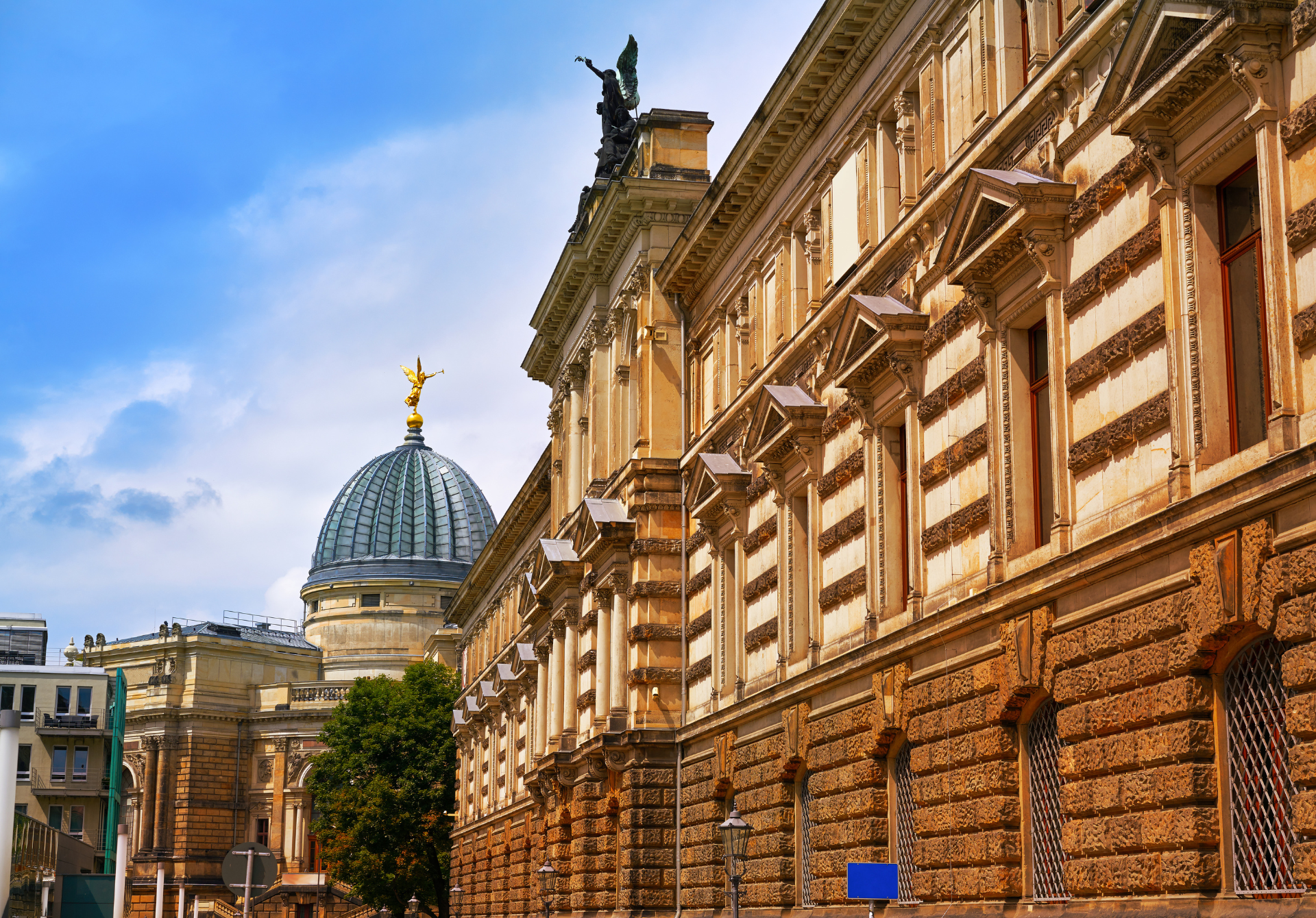
Here’s what makes the Albertinum special right from the start – you’re walking into history. Originally built between 1559 and 1563 as a Renaissance arsenal (Zeughaus), this building served military functions for centuries before transforming into the cultural powerhouse we see today. The building’s Renaissance bones are still visible if you know where to look, with immense ground-floor vaults, a two-aisled hall with Tuscan pillars, and original portals that whisper stories of Dresden’s past.
But don’t think this is just about preserving the old. The Albertinum got a major makeover that’s both practical and stunning. Flood-safe storage facilities and workshops were built like a weightless bridge over the inner courtyard, creating a perfect blend of historical preservation and modern functionality – essential in a city that knows too well the destructive power of flooding.
Two Powerhouse Collections Under One Roof
What sets the Albertinum apart from other museums is its brilliant pairing of two world-class collections. The New Masters Gallery and the Sculpture Collection showcase modern art from the 19th century to the present day, creating conversations between mediums that you won’t find elsewhere.
The New Masters Gallery is where you’ll find yourself face-to-face with some of the biggest names in art history. The collection contains around 3,000 pieces and includes works from Otto Dix, Edgar Degas, Vincent van Gogh, and Claude Monet. But it’s not just about the famous names – masterpieces of Romanticism, Impressionism, Expressionism, New Objectivity and contemporary art create a comprehensive view of how art has evolved and responded to changing times.
Insider Tip: The museum brilliantly integrates painting and sculpture throughout the galleries, so you’re not just looking at pictures on walls – you’re experiencing art in conversation with itself.
The Romantic Revolution: Caspar David Friedrich’s Legacy
If there’s one artist that defines Dresden’s artistic heritage, it’s Caspar David Friedrich. The Albertinum recognizes this with dedicated focus on the Romantic master who revolutionized landscape painting. Friedrich’s landscapes explore the realms of the emotions in a manner unlike any other artist before him, and seeing his work in person reveals subtleties that reproductions simply can’t capture.
The museum regularly features Friedrich exhibitions, understanding that this innovative approach to presenting art showcases works from Romanticism to the present day, from Caspar David Friedrich to Gerhard Richter. This timeline approach helps visitors understand how contemporary artists still grapple with themes that fascinated the Romantics centuries ago.
Contemporary Voices: Art That Speaks to Today
The Albertinum isn’t stuck in the past. The exhibition “Wolfgang Tillmans. Weltraum” extends until July 6, 2025, showcasing how contemporary photography can explore cosmic themes and human connection. This isn’t just about pretty pictures – it’s about how modern artists use their medium to ask the big questions about our place in the universe.
Visitors can experience an exciting interaction between contemporary art and established works, with sound installations complementing traditional painting and sculpture. This multi-sensory approach makes each visit feel fresh and relevant, whether you’re an art aficionado or someone who usually feels intimidated by museums.
The Visitor Experience: Making Art Accessible
Walking through the Albertinum is like opening a museum-sized art history reference work and leafing through its pages, but without the academic stuffiness that can make art feel distant. The museum’s layout encourages discovery, with painting meeting sculpture, East meeting West, and today meeting tomorrow.
Your journey begins memorably – The Thinker by Auguste Rodin greets visitors upon entering the ground-floor sculpture hall, immediately establishing the museum’s commitment to showcasing art that has shaped human culture.
- Regular Hours: The museum maintains consistent opening times throughout the week
- Evening Access: Every Thursday, the Wolfgang Tillmans exhibition stays open from 5 p.m. to 8 p.m. with €8 admission
- Pricing: Adults pay €14, concessions €10.50, and children 16 and under enter free
- Audio Guides: Entrance tickets include audio guides for a richer experience
- Group Discounts: Groups of 10 or more pay €12.50 per person
Planning Your Visit: Practical Insider Knowledge
The Albertinum is part of Dresden’s State Art Collections, one of the most important museum complexes in the world with 14 museums offering unique thematic variety. If you’re planning a cultural deep-dive into Dresden, consider the day ticket for all Dresden State Art Collections at €26 – it’s incredible value if you’re spending more than a day exploring.
Be aware of temporary closures: the second floor will be closed April 7-17, 2025 for technical construction work, though major exhibitions and the sculpture hall will remain open. This kind of ongoing maintenance shows the museum’s commitment to preserving these treasures for future generations.
Concierge Recommendation: Visit on a Thursday evening when crowds are lighter and you can experience the contemporary exhibitions in a more intimate setting. The different lighting creates entirely new moods in the artwork.
Why the Albertinum Should Top Your Dresden Itinerary
In a city known for baroque splendor and wartime history, the Albertinum offers something different – a space where artistic evolution unfolds naturally and accessibly. This leading museum in Germany showcases the outstanding quality of its collection while maintaining a broad view across various art epochs.
Whether you’re drawn to the emotional landscapes that defined Romanticism, the bold experiments of early modernism, or contemporary artists wrestling with digital-age questions, the Albertinum creates connections that illuminate both art history and our current moment. It’s not just about what happened in art – it’s about understanding how creative expression continues to evolve and speak to human experience.
For tourism professionals and travelers seeking authentic cultural experiences, the Albertinum represents Dresden at its most thoughtful and engaging – a place where centuries of artistic achievement feel immediate, relevant, and genuinely inspiring. This isn’t museum-going as obligation; it’s art appreciation as genuine discovery.